
Still, India is killing people at the border
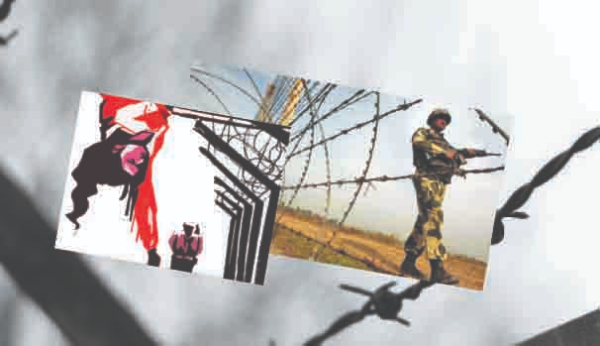
The tragic deaths of three Bangladeshi nationals, reportedly tortured and killed by India’s Border Security Force (BSF) along the River Ichhamati in Sharsha, Jashore, on December 18, bring into sharp focus the persistent issue of border killings. This latest incident not only underlines the alarming frequency of such occurrences but also casts doubt on India’s commitment to upholding international laws and bilateral agreements concerning border management. Despite decades of diplomatic dialogue and assurances, the violence continues unabated, leaving a trail of mistrust and shattered lives along the Bangladesh-India border.
A Pattern of Unfulfilled Promises
Repeatedly, Indian authorities and the BSF have pledged to put an end to border killings, but these promises seem hollow when juxtaposed with ground realities. The use of excessive force, including lethal weapons and torture, remains a recurring feature of border management by the BSF. What makes this practice especially egregious is its blatant disregard for internationally recognized protocols and the bilateral understandings between India and Bangladesh.
Indian officials often rationalize these actions by labeling victims as "criminals" or "smugglers." While cross-border smuggling is a reality, involving participants from both nations, the question arises: does smuggling justify extrajudicial killings and brutal torture? International norms dictate lawful apprehension, investigation, and trial of offenders, not summary executions or acts of violence. The BSF’s "shoot-to-kill" approach starkly contradicts these principles and undermines the spirit of collaboration that both nations have pledged to uphold.
The numbers paint a grim picture. More than 1,300 Bangladeshis were killed by Indian border guards between 2000 and 2023. This year alone, the toll has reached at least 20, including teenagers and farmers—some attacked within Bangladeshi territory. Such statistics are not mere figures; they represent a relentless violation of human rights and a growing scar on bilateral relations. The absence of justice in these cases only serves to embolden perpetrators, perpetuating a cycle of violence that has long plagued the region.
The Cost of Neglect
The persistence of border killings speaks to a broader failure of accountability and justice. India’s reluctance to prosecute BSF personnel responsible for such atrocities sends a troubling message: that the sanctity of human life can be subordinated to so-called "security measures." This lack of accountability not only tarnishes India’s reputation on the global stage but also undermines trust between two neighboring nations with deep cultural and historical ties.
Moreover, the failure to address this issue has far-reaching implications for regional stability. A peaceful and cooperative border is essential for fostering economic and social development in border regions. Instead, the ongoing violence fosters fear, resentment, and hostility, obstructing efforts to build stronger bilateral ties.
In light of these repeated violations, the onus is on Dhaka to escalate the matter both bilaterally and internationally. Bangladesh must push for the immediate implementation of a zero-tolerance policy toward border killings, ensuring that the lives and rights of its citizens are safeguarded. Simultaneously, international bodies should be engaged to hold India accountable for its commitments and actions.
Border killings represent not just an affront to human rights but a glaring failure in diplomatic accountability. The repeated assurances from India have done little to stem the violence, leaving Bangladesh with no choice but to demand justice and raise the issue on global platforms.
The Ripple Effect: Implications and the Path Forward
The persistent issue of border killings between Bangladesh and India does more than take innocent lives; it also sows discord in a region that should otherwise thrive on mutual cooperation. Beyond the human cost, this crisis jeopardizes the very foundation of bilateral relations and reveals troubling cracks in India’s adherence to international norms. To move forward, both nations must confront the harsh realities of these violations and commit to a framework of accountability and reform.
The Undermining of Trust and Diplomacy
The bilateral relationship between Bangladesh and India is deeply rooted in shared history, culture, and trade. However, these ties are increasingly overshadowed by the actions of the Indian Border Security Force, which routinely disregards agreements meant to ensure humane and cooperative border management. Diplomatic channels have often been used to address these killings, with both countries pledging to adopt non-lethal means of enforcing border security. Yet, incidents like the recent torture and deaths near the River Ichhamati blatantly undermine these agreements, eroding trust.
The lack of action from Indian authorities to hold perpetrators accountable exacerbates this mistrust. A clear pattern has emerged: promises are made, bilateral talks are held, but the violence persists. This creates a perception in Bangladesh that India views its commitments as mere formalities, not obligations. Such perceptions not only strain political relations but also provoke resentment among ordinary citizens, complicating grassroots efforts to foster goodwill across the border.
The Role of International Law and Ethical Responsibility
The continued killings and torture violate several principles of international law, including the prohibition of arbitrary deprivation of life and the right to security of person. The United Nations has clear guidelines on the use of force by law enforcement, emphasizing necessity and proportionality. The BSF’s actions consistently flout these standards. For instance, the reported use of torture and the targeting of individuals inside Bangladeshi territory highlight an alarming disregard for sovereignty and human rights.
Moreover, India’s justification that these killings target "criminals" or "smugglers" falls flat when analyzed through the lens of international protocol. Smuggling is undoubtedly a concern for both nations, but its existence does not absolve India of its duty to respect the principles of due process and humane treatment. Addressing smuggling requires cross-border cooperation, intelligence sharing, and lawful apprehensions—not extrajudicial measures that lead to death and despair.
A Path Toward Justice and Reform
To address the crisis, both nations must act decisively. For Bangladesh, it is imperative to escalate the matter on international platforms, framing it as not just a bilateral issue but a violation of fundamental human rights. This could involve presenting evidence of the killings to the United Nations and other global human rights bodies, demanding accountability and systemic reform in India’s border security practices.
India, on the other hand, must demonstrate a genuine commitment to ending border violence. This requires more than promises; it necessitates the prosecution of BSF personnel involved in unlawful killings and the implementation of strict operational guidelines for border management. Transparency in investigations and regular dialogue with Bangladeshi counterparts could pave the way for trust rebuilding.
A zero-tolerance policy on border killings must be implemented and monitored through joint oversight mechanisms. Independent human rights observers should also be allowed access to investigate incidents, ensuring that accountability is not compromised.
The Broader Implications of Inaction
Failure to address this issue risks long-term repercussions. The violence alienates communities living along the border, making them vulnerable to criminal networks and fostering resentment against authorities. Moreover, the persistence of these killings tarnishes India’s global image as a nation committed to democratic values and human rights. For Bangladesh, the inability to protect its citizens undermines its sovereignty and emboldens perpetrators.
An Urgent Call for Change
The crisis of border killings is more than a bilateral problem—it is a moral, legal, and diplomatic failure that demands immediate attention. The harrowing deaths of the three Bangladeshi nationals in December are not isolated tragedies but part of a larger pattern of systemic violence that must be dismantled.
India must step up, honoring its commitments and ensuring that the BSF operates within the bounds of international law. Bangladesh must remain steadfast, advocating for its citizens and holding its powerful neighbor accountable. Together, both nations have the opportunity to transform their shared border from a site of violence into one of peace and cooperation.
The world is watching, and the stakes are too high to ignore. Lives are being lost, trust is eroding, and the region’s stability hangs in the balance. It is time for action, accountability, and an unyielding commitment to justice.